

THE WELLNESS EDIT
Perimenopause: More Than Hot Flushes
Understanding physical, cognitive, and emotional transitions with clarity & self-compassion.

Navigating Midlife Shifts
Perimenopause is the natural transition leading up to menopause, during which your ovaries gradually produce less estrogen and progesterone. While hot flushes and night sweats are widely recognized, hormonal fluctuations impact almost every system in the female body. You might notice subtle or profound changes in your mood, sleep quality, joint mobility, energy levels, and body composition. For many women, this phase can feel confusing or disorienting, especially when symptoms arrive without warning.
The most important thing to know is that your symptoms are real, valid, and manageable. You do not have to “just put up with it”. With targeted movement, nourishing food, restorative sleep, and professional support, you can thrive through midlife and cultivate lasting vitality.
My mission at Sioned Allan Fitness in Lampeter is to provide an empowering, inclusive space where you build functional strength, protect your bones, and feel connected through every life stage.
“Perimenopause is a transition, not an ending. You deserve to feel strong, energized, and completely at home in your body.”— Sioned Allan, Founder & Trainer
1. Track Patterns
Keep notes on your phone before medical appointments. Symptoms like brain fog, joint pain, or mood shifts are valuable pieces of health data.
Tip: Log duration & cycle timing.
2. Fuel for Strength
Ditch restrictive diets. Midlife calls for high protein, abundant plant fibre, healthy omega fats, and bone-building calcium.
Tip: Aim for 25–30g protein/meal.
3. Protect Muscle
Progressive resistance training and Reformer Pilates safeguard bone density, metabolic vitality, and joint stability as estrogen shifts.
Tip: 2–3 resistance sessions weekly.
Symptom Spectrum & Checklist
What Are You Experiencing?
Every woman’s perimenopause journey is unique. Over 30 recognized symptoms exist across physical, mental, and intimate health. Use this checklist to track patterns and discuss options with your healthcare practitioner:
Brain & Mood
- Brain fog & word finding difficulty
- Unexplained anxiety or sudden panic
- Mood swings & heightened irritability
- Lower stress resilience & cognitive fatigue
- Reduced confidence & feeling overwhelmed
Sleep & Energy
- Difficulty falling or staying asleep
- Night sweats & temperature dysregulation
- Waking early (3–4am) with racing thoughts
- Unrefreshing sleep & mid-afternoon crashes
- Persistent physical & mental exhaustion
Body & Metabolism
- Changes in body shape & fat distribution
- Loss of lean muscle tone & metabolic slowdown
- Bloating, water retention & gut shifts
- Slower physical recovery after exercise
- Sensitivities to sugar, alcohol & caffeine
Periods & Hormones
- Irregular, shortened, or skipped cycles
- Heavier, lighter, or flooding flow
- Heightened PMS & breast tenderness
- Unexpected spotting between cycles
- Increased hormonal headache frequency
Intimate & Bladder
- Vaginal dryness, itching, or sensitivity
- Urinary frequency, urgency, or mild leaking
- Recurrent mild urinary tract discomfort
- Changes in libido & tissue elasticity
- Pelvic floor tone shifts during impact
Joints & Muscles
- Morning stiffness in hands, feet, or hips
- Aching knees, shoulders, & lower back
- Tendon tightness & reduced flexibility
- General muscle aching & joint inflammation
- Reduced grip strength & mobility
How to Prepare for Your GP Consultation
Log your symptoms for 2–3 months using your phone notes or a paper diary. Note cycle timing, sleep quality, and how symptoms affect your daily work or family life. You do not need to “just endure” these shifts. HRT, tailored nutrition, pelvic health therapy, and targeted strength training are evidence-based options to explore with your doctor.
Nourish: Think Balance, Not Diet
Fuel & Function
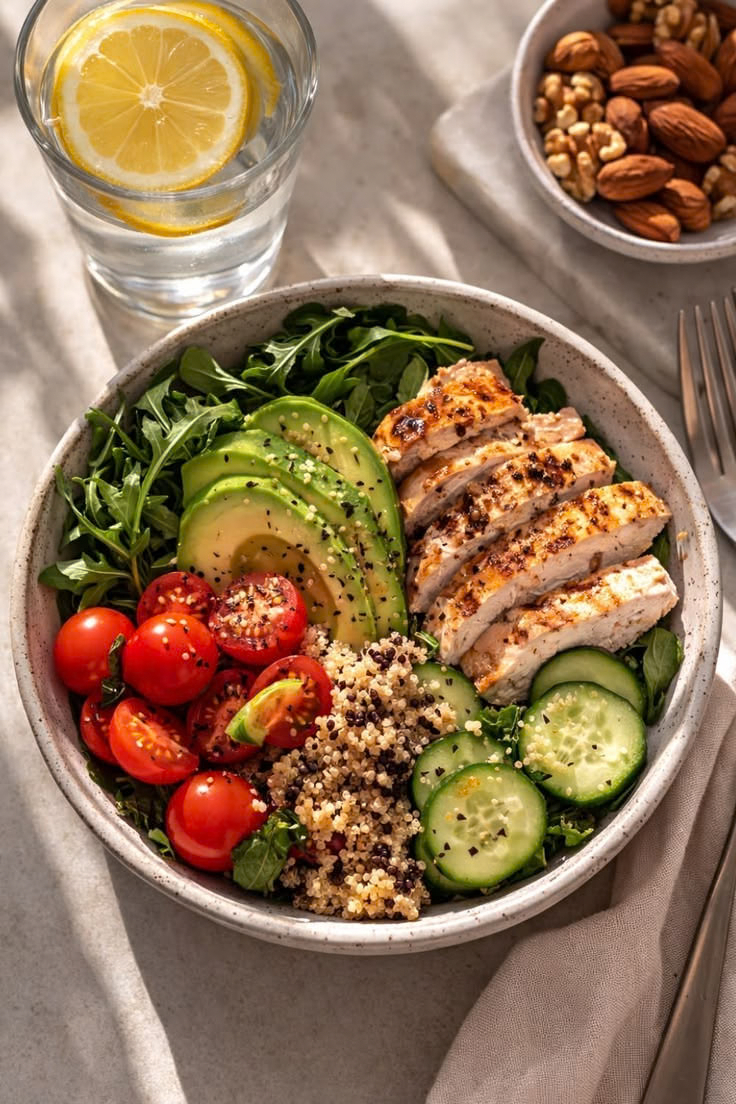
Ditch restriction. Fuel your body for energy, hormone synthesis & muscle retention.
Midlife is not the time for low calorie restrictive diets. As estrogen fluctuates, your metabolic rate and muscle repair needs change. Focus on adding nourishing whole foods.
- Protein Power: Aim for 25–30g of quality protein per meal (eggs, fish, poultry, tofu, Greek yoghurt) to support muscle repair and satiety.
- Plants & Fibre: Prioritise colourful vegetables, berries, legumes, and flaxseeds to support gut microbiome health and natural estrogen metabolism.
- Healthy Fats: Olive oil, nuts, seeds, and avocados provide essential omega fatty acids needed for hormone production and brain health.
- Calcium & Vitamin D: The foundation for bone mineral density as estrogen’s protective effect lessens through midlife.
Move: Train for the Body You Want to Keep
Strength & Reformer
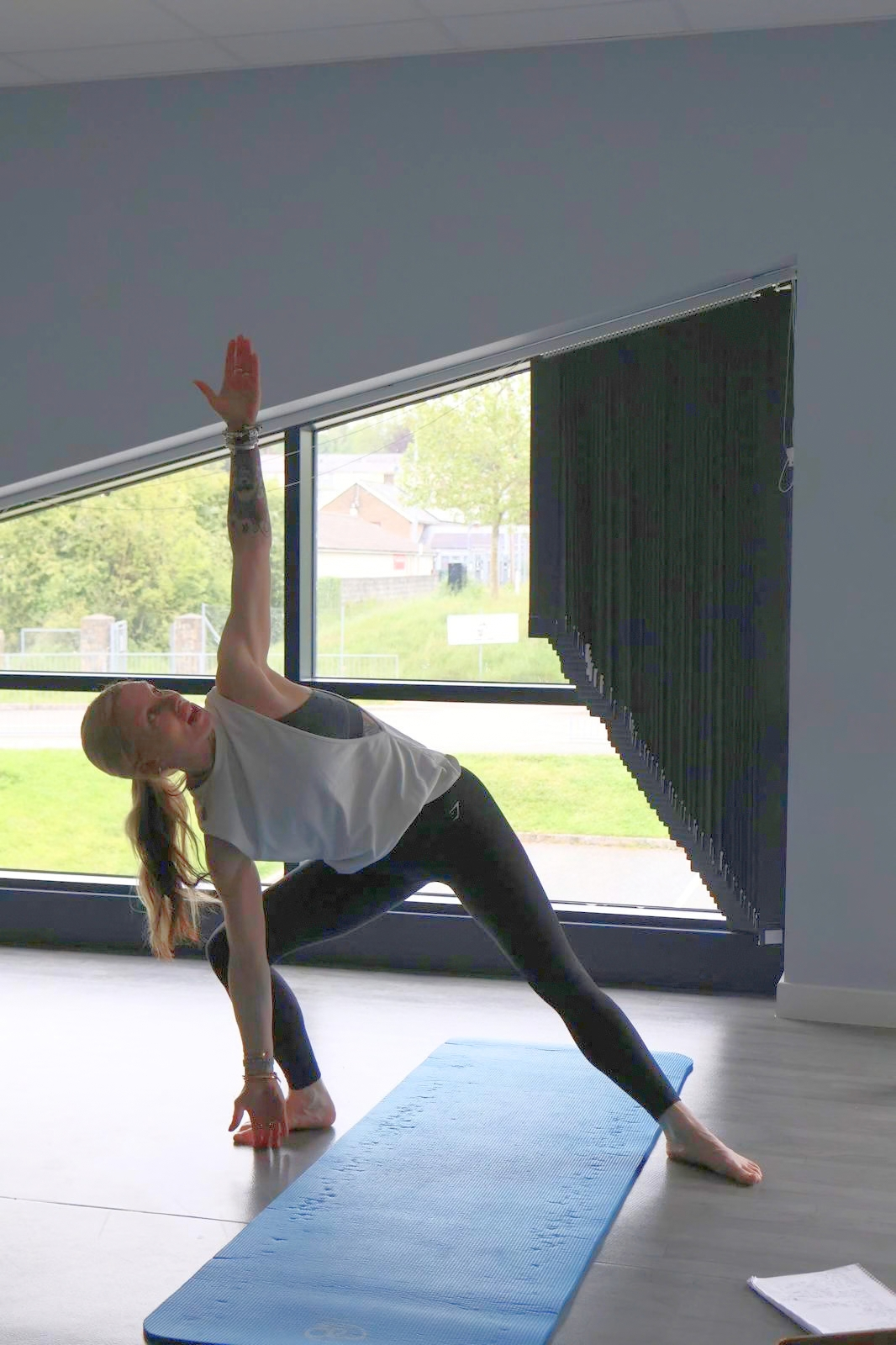
Safeguard bone density, lean muscle mass, and mental resilience with targeted movement.
As estrogen decreases, women lose muscle mass (sarcopenia) and bone mineral density at an accelerated rate. Cardio alone cannot prevent this. Strength training is essential.
- Reformer Pilates: Spring resistance provides non-impact, deep core and muscular loading that shapes posture, joint stability, and body alignment.
- Progressive Resistance: Working with kettlebells, dumbbells, and bands stimulates osteoblasts to keep bones dense and resilient.
- Start Where You Are: Whether you are brand new to exercise or returning after a break, progressive loading adapts seamlessly to your level.
Why Reformer Pilates Is Midlife Magic
Reformer Pilates uses spring tension rather than heavy gravity loading, allowing you to build deep postural muscle strength, decompress your spine, elevate joint mobility, and improve pelvic floor stability without high-impact stress on aching joints.
Sleep & Mind: Rest as Progress
Rest & Recovery
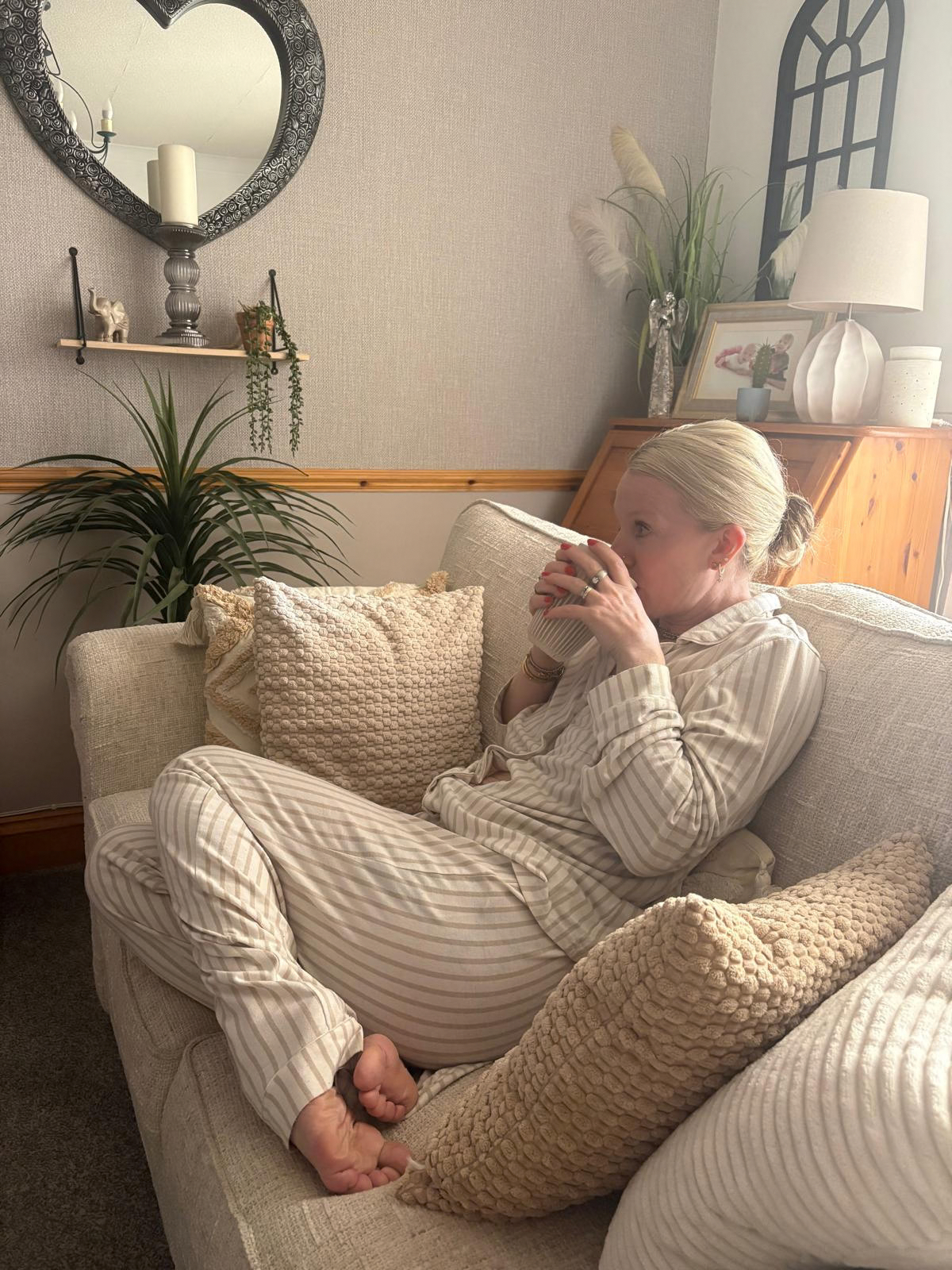
Calming your nervous system is as vital as your physical workouts.
Poor sleep is one of the most debilitating symptoms of perimenopause. High cortisol (the primary stress hormone) compounds fatigue, brain fog, anxiety, and abdominal weight retention. Prioritising restorative sleep habits resets your nervous system:
- Evening Wind-Down: Replace phone scrolling with a warm bath, herbal tea (magnesium or chamomile), or reading under soft dim lights.
- Cool Sleep Environment: Keep your bedroom around 18°C, use breathable cotton or linen bedding, and consider blue-light blocking glasses.
- Nervous System Reset: Incorporate 5 minutes of deep diaphragmal belly breathing or restorative Pilates stretches before bed.
One Small Thing This Week
Don’t try to overhaul your entire lifestyle overnight. Choose ONE realistic habit to focus on this week:
- Add a palm of quality protein to your breakfast.
- Book a Reformer Pilates class at Sioned Allan Fitness.
- Put your phone away 30 minutes before bed & sip chamomile tea.
Small, consistent choices create extraordinary long term health and vitality!